Friday, January 27, 2012

Curried Yellowtail Snapper in Parchment

Here's an easy prep,  easy clean-up way to roast fish that's basically foolproof - it's very easily modified to suit your taste and super yummy.   Once you're done serving the meal,  just toss the parchment in the trash and clean up is done.
The sauce in this recipe is merely one of an endless number of ways you could flavor your fish or seafood of choice.   As I was blending the ingredients for this sauce last night,  my mind was racing with all the other possible combinations of ingredients  - I'll post those as I make them for dinner here.  I picked Yellowtail Snapper at the fish market yesterday - these were the absolute freshest steaks in the window and they were calling my name:  "Auriaaaaaaaaa,  take us hoooome!"  Yellowtail Snapper is a lean, white-meat fish with a firm texture and a mild flavor that lends itself to whatever you can come up with to throw on it.  You can also use salmon, grouper, swordfish, tilefish, shrimp or scallops.
In Malaysia,  grilled fish is usually cooked and served in giant new lotus leaves.   Some people use banana leaves in this way as well.  I think if you're grilling or roasting,  lotus leaves are your best bet as they do not burn and flake the way banana leaves do.   I'll make a note to get some when I'm in Chinatown next and perhaps do this recipe but with a Nyonya-inspired sauce instead. 

Curried Yellowtail Snapper in Parchment  (serves 4 - 6)
4 Yellowtail Snapper steaks
2 large pieces of parchment paper
Salt and freshly ground pepper to taste

For the sauce:
2 tbsp vegetable oil
2 tbsp coconut milk (substitute with regular milk or unflavored, unsweetened almond milk)
3 cloves garlic
1/2 inch piece of ginger
1/2 red onion
1/4 tsp black mustard seeds
1/4 tsp cumin seeds
2 tsp curry powder
1/4 tsp turmeric powder
1/4 teaspoon salt 

8 thin tomato slices
1 small bunch of cilantro - chopped

Preheat your oven to 400F.
Lay a large piece of parchment paper on a baking tray.  Arrange the fish steaks or seafood of your choice in the center of the paper.  Season with salt and pepper.
Put all the ingredients for the sauce in a blender.  Blend well.   Spread generously over the fish,  making sure to cover the sides as well and reserving just a little bit of the sauce.  Lay two pieces of sliced tomato on each steak,  and spread with the remaining sauce.  Sprinkle the chopped cilantro over the dressed fish and now it's time to party!
Cover the fish with the second piece of parchment and fold the sides of both pieces together, crimping and rolling to form a tight seal.  Bake for 20 minutes - the rule of thumb for fish is 15 minutes per inch of thickness for fillets.  I added five minutes because these were bone-in steaks.  Here's what it looked like when the tray came out of the oven -
And here it is served with plain white rice and some easy sautéed spinach.  I hope you'll make this easy dish and fill me in on how it turned out for you.  Next time - Nyonya- style baked fish in lotus leaves! 
Pin It

Monday, January 23, 2012

Happy Chinese New Year!

I have not been home in Malaysia for Chinese New Year in 20 years.  This year,  in particular,  I am feeling particularly nostalgic about celebrating the event in years prior to leaving home for college.  I have so many fond memories of celebrating the New Year with close Chinese friends and family.
Mum & Aunty Khim
One thing that was a tradition for our family when we were kids was to go to my mum's closest friend Aunty Khim's house for a Steam Boat feast.  First let me tell you about Aunty Khim - seriously,  one of the best Chinese cooks I have ever encountered in my life.  I remember her always cooking this, that or the other and bringing some over to our house to share.   Do you know those prawn crackers that they serve at the Chinese restaurants?  Aunty Khim makes her own every year.  She mixes a combination of flour,  spices and finely minced prawns,  rolls the mixture into logs then painstakingly slices the logs into the thinnest chips you can imagine.  The chips are then left out in the sun to dry.  Once dried,  they are stored in tins lined with newspaper to protect them from the high humidity.  When deep fried,  they turn into the lightest,  crispiest,  most delicate of prawn crackers exploding with flavor.  Once you've had Aunty Khim's,  you'll never want to eat the huge, flavorless, sometimes hard and crunchy and often tinted with food-coloring versions you get at the Chinese supermarkets and restaurants.   Ok,  but I've lost my train of thought - we were talking about Steam Boat,  weren't we? 
Every Chinese New Year,  Aunty Khim would have us over to her house for Steam Boat - this is what we called it back home,  waaaaaay before "hot pot" became a thing here.  This is a tradition that was handed down to her by her mother and that she faithfully carried out with her own particular flair and passion every year.  We would arrive at her house at around 7pm.  There would be a long table set up outside with the bottom of the Steam Boat ready and waiting for the large "boat" that carried a flavorful broth in which to cook all the other ingredients.  We'd all mill about - kids playing,  adults chatting while inside a frenzy of prep work was underway.  Her kitchen resembled the lab of a mad scientist - large pots boiling on the stove,  serving dishes of filled with a variety of foods on every surface.  Without an inch of counter space to spare,  somehow she worked her culinary magic to perfection.  She would be slicing meats,  fish and veggies paper thin.  Prepping tofu and squid,  peeling shrimp,  washing beansprouts and watercress,  chopping garlic, frying shallots and preparing a variety of dipping sauces including that famously ubiquitous chilli sauce, without which no Malaysian meal is complete.  There would also be a variety of noodles and yong tau foo (different styles of tofu and vegetables stuffed with fish paste),  quail's eggs, mushrooms, crabs, blood cockles and mussels.  Wow,  what a lot of food - what a lot of prep!
Once the table was laden with this array of offerings,  the top portion of the steam boat would be carefully carried out to the table,  steaming with a delicious,  aromatic broth in which to cook everything and the feast would begin.  We were all provided with chopsticks and our own individual straining ladles with which to pick out whatever we wanted from the Steam Boat.  She would hover around the table,  supervising and demonstrating  - "Some things take longer to cook" and "Get that out of there,  it's almost overcooked!"  The meats,  mushrooms and seafood impart their wonderful flavors to the broth as they are cooked,  which in turn bestows these flavors to the tofu, vegetables and noodles as they cook.  I must say - the Chinese REALLY know how to eat!  Isn't that pure genius?
Another fond memory is a tradition that is particular to the Malaysian and Singaporean Chinese - a dish called Yee Sang.   It's a raw fish appetizer that is believed to usher in good luck for the New Year.  The dish is made up of a plethora of ingredients that all carry specific meanings for wealth,  health and success.   When the dish is brought to the table,  the family stands up around the table and proceeds to toss the ingredients together with chopsticks to mix everything up.  The belief is that the higher one tosses the ingredients,  the more successful the New Year will be - in our family,  that usually means that a lot of it ends up on the table!  Yee Sang is traditionally served on the seventh day of the New Year,  believed to be a very auspicious day and referred to as "Everyone's Birthday".  Aunty Khim tells me that the Steamboat feast was also traditionally held on "Everyone's Birthday".  This year,  that day falls on Sunday, the 29th of January.  I hope you'll all do a little something special this Sunday.
I could go on and on about more of the Chinese New Year traditions back home,  but I'm making myself incredibly homesick and very hungry.  You'll hear a lot more about Aunty Khim in future posts - she's my go-to for any sort of query regarding Chinese food and is always ready to help me learn something new.
What are some of your favorite Chinese New Year memories and traditions?  
I wish you all a very Happy Chinese New Year - may the energy,  vitality and courage of the Dragon propel you towards your most heartfelt dreams.  Gong Xi Fa Cai. Pin It

Saturday, January 21, 2012

Loh See Fun

I've been craving this dish since we were home in Malaysia a few weeks ago.  In my little hometown of Seremban,  there's a spot we fondly call The Square - a municipal parking lot by day,  by 6:30pm every day hawker stalls complete with rickety tables and stools fill the area with the incredible sights, sounds and smells of a vibrant Malaysian street food center.   There are between twenty and thirty separate food vendors,  each boasting a distinct specialty - the offerings range from poh piah and char kuey teow to Hokkien noodles and yam cakes.
Some of these vendors have been selling the same dish here for more than 30 years.  A good example is the poh piah lady - I remember eating that dish from her stall from way back when I was a little girl.  I have no idea how old she is now,  but the last time we were home we found that she no longer works at her famous poh piah stall - her son and daughter-in-law have inherited the business.  I was a little sad to not see her familiar face behind the glass case of her stall,  but happy that her food legacy continues with the next generation.  Her poh piah is truly the best I have ever tasted - nothing,  not even the famed poh piah of good ol' days Gurney Drive in Penang tops this.  We'll explore this some more in another blog post,  but for now let's get back to the loh see fun!
One fateful night last December,  we decided to venture to The Square to pay our respects at the shrines of all our favorite food stalls.  I had loh see fun on the brain.  We arrived there and alas! the loh see fun man was NOT THERE!!!  I was devastated and had to appease myself with two plates of char kuey teow to make up for it.
Needless to say,  loh see fun has been in my dreams since then.  Here we are back in Brooklyn and I haven't been able to stop thinking about it.  Nothing to do but make my own!  Yesterday,  dressed for the freezing cold and determined to tame my vicious cravings for loh see fun,  I trekked to Chinatown in Manhattan to find all the necessary ingredients.  The cold air felt like shards of glass in my tropics-bred lungs - nothing would stop me.  It was definitely worth the effort.
Here's the recipe and some pics - I hope you'll try this at home.  It really is quite easy.  Dear Loh See Fun Hawker at The Square - please be there the next time we are home.  Shall I send you a telegram as soon as we book our flights?

Loh See Fun (serves 6) aka Rat's Tail Noodles (oh,  did I not mention that before? :o)
2 tablespoons vegetable oil
4 cloves garlic - minced
1-inch piece of ginger - minced
1 lb ground meat (chicken or pork)
loh see fun noodles beansprouts scallions
5 dried black mushrooms - soaked in hot water for 6 hours or overnight,  then sliced
1 1/2 lbs loh see fun noodles (fresh or frozen)
2 cups fresh beansprouts
2 scallions - sliced for garnish

For the sauce:
Light soy sauce
Dark soy sauce
Sweet soy sauce
Fish sauce
Vegetable or peanut oil
Sesame oil
White pepper

Bring a large pot of water to boil - you will use this to soften the noodles when you are ready to assemble the servings.
ground chicken black mushrooms wok loh see fun

minced ginger garlic wok loh see fun Heat the oil in a wok.  Add the garlic and ginger and sauté until fragrant.  Add the minced chicken or pork (the Seremban hawker version uses pork but I used chicken because the husband does not eat pork) and sliced mushrooms and stir well to combine.  Season with one tablespoon of dark soy sauce and a dash of white pepper.  Too much dark soy sauce leaves you with a very dark and salty cooked meat,  so watch out for that.  Add two tablespoons of water to create a little gravy and let this mixture cook for about 10 minutes,  stirring ocassionally to make sure the meat is cooked through.  Once cooked,  transfer from wok into a bowl.   Now you're ready to assemble the loh see fun in individual bowls for each person.
soy sauce mix of sauces bowlSplash the following into serving bowls:  1 tsp dark soy sauce,  1/2 tsp light soy sauce,  1/2 tsp sweet soy sauce,  1/4 teaspoon fish sauce, 1/4 teaspoon vegetable oil,  1/4 teaspoon sesame oil, and a generous dash of white pepper.  I felt compelled to list these amounts just to give you an idea how little of each sauce you actually need.  Also,  be careful with the fish sauce and the oils - a little really does go a long way.   My advice would be to experiment with one serving - give it a taste and decide if you'd like a little less soy sauce,  a little more sesame oil and so on.  Honestly,  I never measure these amounts.  Neither does my beloved absentee loh see fun hawker in Seremban.  I've watched him do it a thousand times and it's just a splash of this and a splash of that.  He artfully swirls it around the sides of the bowls - you'll see from my picture that I failed at the swirl.  All my sauce ended up at the bottom of the bowl - ok,  so I lack the flair and flourish! 
beansprouts soy sauce bowlAdd a handful of raw beansprouts to each bowl.
Put a handful of noodles in a Chinese-style basket colander and immerse in that pot of boiling water - let this sit for about 20 - 30 seconds to soften up those noodles.  Drain and add the noodles to the bowls,  over the beansprouts.  The heat from the noodles will blanch those beansprouts to perfection.  There's nothing worse than soggy, overcooked beansprouts.  These will remain crunchy and add incredible texture to this dish.   Now spoon some of the chicken/mushroom mixture over those beautiful noodles and garnish with some sliced scallions.  Ta-dah!  LOH SEE FUN!  The noodles have a really nice bite to them,  the beansprouts are crunchy,  the combination of sauces is easy to master with a few tries and unbelievably tasty for how easy it is.
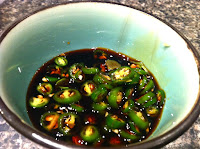
 I eat my loh see fun with some chopped up bird eye chillies,  marinated in soy sauce.   Remember to tell your friends to mix the noodles well as all that delicious sauce is at the bottom of those bowls.  Thank you loh see fun hawker for the inspiration.  You're a legend in my mind! 
loh see fun noodles Malaysian food
bird eye chillies cili padi soy sauce Pin It

Sunday, January 15, 2012

2am Jet-lag Khichdi

 We arrived back in Brooklyn two days ago.  Even though it was sad leaving the family behind,  it's good to be back home.  The husband says "I'm glad the eating marathon is over!" and the pre-schooler says "Why is the night funny,  mommy?"  That's her way of trying to wrap her little head around the concept of jet-lag.  There's a 13-hour time difference between Malaysia and New York,  so it's basically night for day.  We arrived on Thursday with all these notions of being good about not sleeping during the day.  All that went out the window immediately and hasn't been spoken of again since.  Yesterday we all went down for a nap at 1pm and woke up at midnight.  Hopefully we'll be a little smarter about it today.
 And what of the eating marathon?  Basically,  when any Malaysian goes home for a holiday the main focus is eating (dare I speak for the whole nation?)  So we ate and ate and ate and ate and ate our way from Seremban, my hometown,  all the way up north to Penang and back.  The chowing down did not cease until right before we got on our flight to come home.  Here's a quick glance of what we feasted on:
nasi lemak
Nasi Lemak
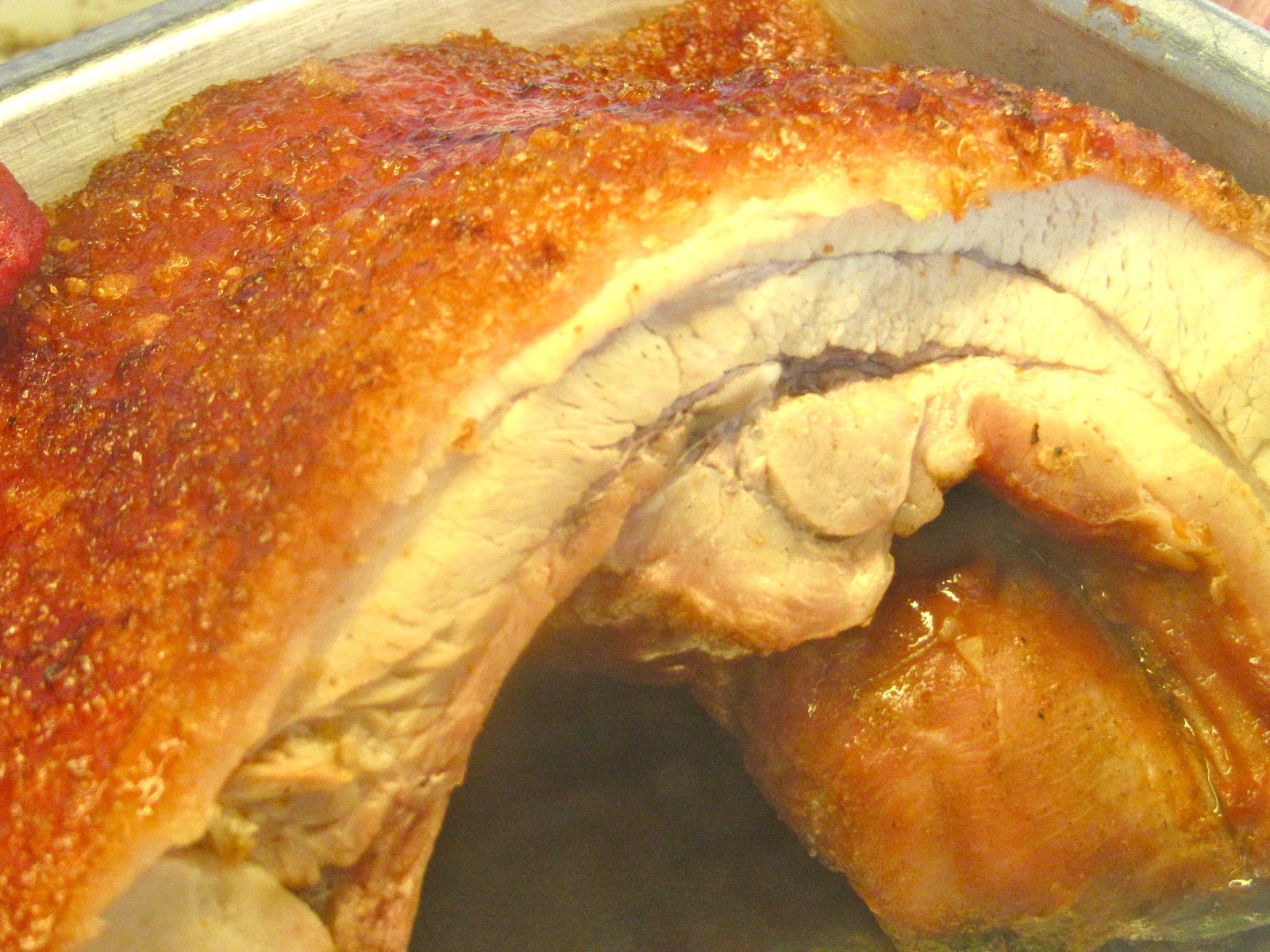
Roast Pig
Seremban beef noodles
Seremban Beef Noodles
Curry Laksa


char siew pow pao Malaysian food
Char Siew Pao

banana leaf lunch white rice curry
Banana Leaf Lunch
Prawn Mee
roast pork
Mum's Roast Pork
nasi lemak coconut rice ikan bilis sambal
More Nasi Lemak
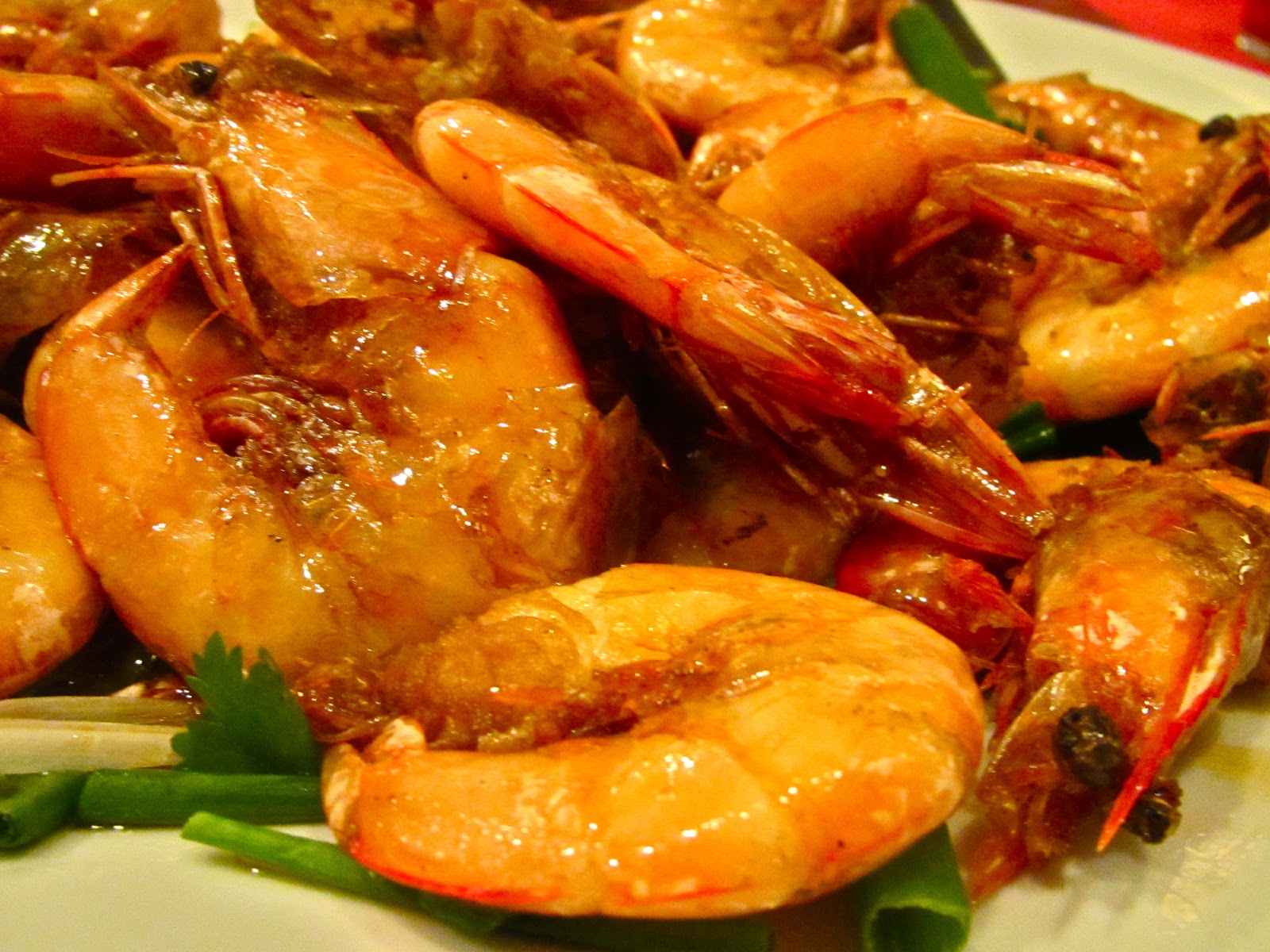
Jumbo Prawns
Char Kuey Teow
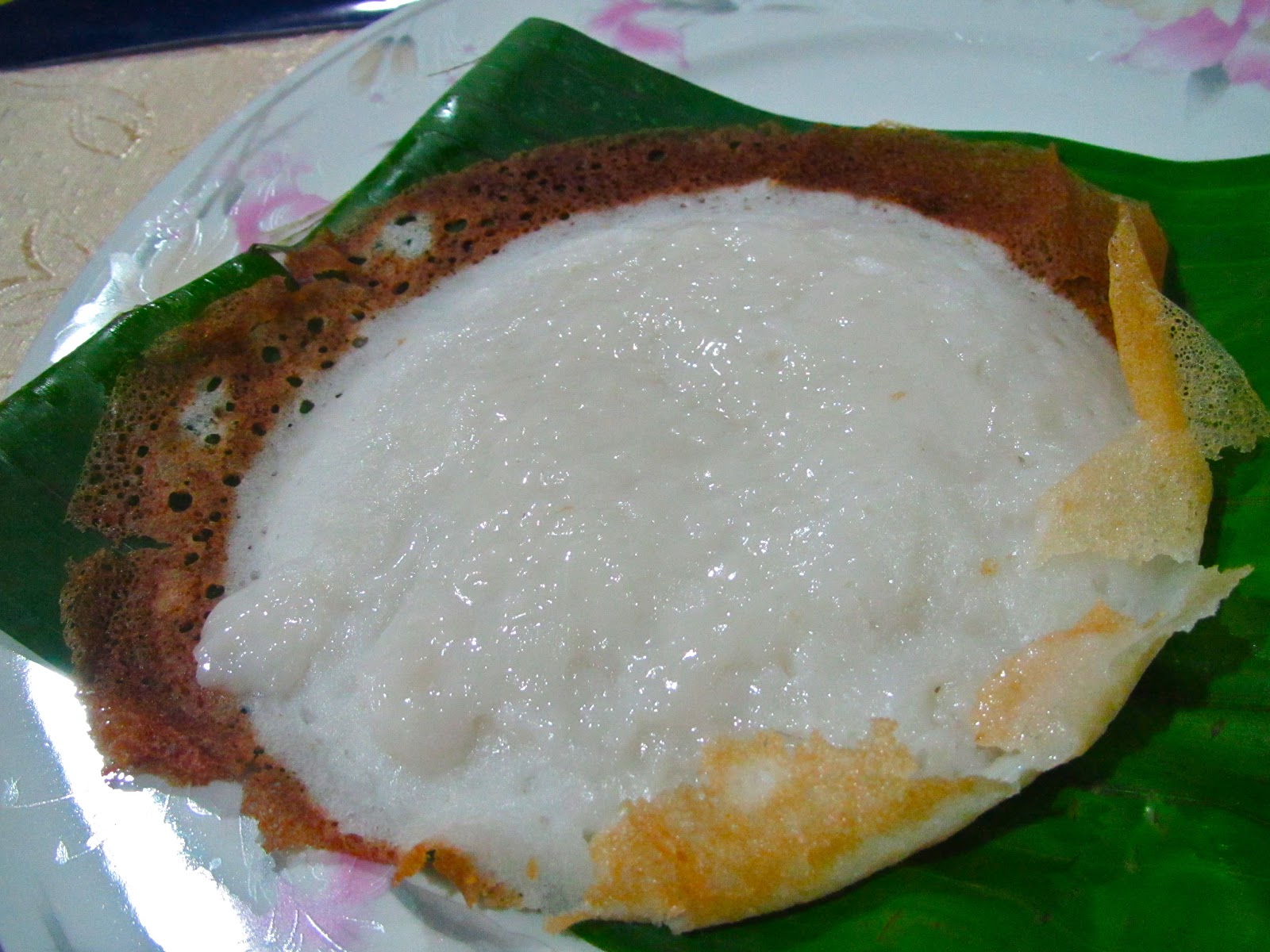
appam appa Indian bread
Appam
Chinese roast pig pork
More Roast Pig
kai lan Chinese vegetables
We snuck in some veggies here & there!
cendol coconut milk palm sugar Malaysian dessert
Cendol
jumbo prawns shrimp Malaysian food
More Jumbo Prawns
apam balik
Appom Balik
Penang rojak fruit salad
Penang Rojak
taro puff char siew
Deep Fried Taro Puff


steamed whole fish Nyonya-style
Steamed Fish Nyonya-Style
I'll enlighten you all as to what each of those items are in subsequent blog posts.  Let's just say we overdid it with the eating.  Every so slightly.  Ok,  ever so waaaaaay too much.  So, with the combination of all that over-eating and all this jet-lag the question is:  What to do with these wee hours of the morning?  Why, make khichdi of course!!!  WHAT IS THAT,  you ask?!!

Khichdi is a magical combination of basmati rice,  lentils and spices - a soothing Ayurvedic prescription for all digestive woes including eating like a pig for three weeks straight.   A warm, light and restorative recipe for a gentle cleanse,  Khichdi is very nourishing,  easy to digest and assists in eliminating toxins from the system.   
There are as many varieties of Khichdi as there are different lentils, pulses and beans - my version here is based on what I had on hand in the kitchen at 2am this morning when we were all awake with a vengeance.  The basic Ayurvedic version calls for moong beans, but really any lentils that you happen to have on hand will work,  even sprouted green beans if you are unable to get to an Indian grocery. 

Auria's 2am Jet-lag Khichdi
1 tbsp ghee (substitute with butter if ghee is not easily available)
1 tsp whole cumin
1 tsp mustard seeds
1 tsp ground cumin
1 tsp garam masala (optional)
1/4 tsp asafoetida (optional)
1/2 tsp ground turmeric
1 cup chana dal -  washed and soaked for 30 minutes
2 cups Basmati rice - washed
3 cups collard greens - washed and chopped (optional)
2 potatoes - peeled and diced (optional)
Cilantro - 1 cup roughly chopped
5 - 6 cups boiling water
Salt to taste

ghee cumin mustard seeds garam masala
Ghee and spices in pot
dhall dal chana lentilsGently warm the ghee over medium heat.  Add the cumin, mustard,  ground cumin and garam masala.   Saute the spices until just slightly browned,  then add the chana dal before the spices brown too much.   Stir to combine well and add two cups of boiling water, the asafoetida and the turmeric.  Turn the heat down to low and let this simmer gently for 15 minutes. By now your house will smell like an Indian kitchen goddess lives in it.

peeled potato chopped collard greensWhile that's going,  wash the rice and get your veggies ready.  I happened to have collard greens so I used those, but really any vegetables will do.  My favorites are any green leafy veggies,  cauliflower,  pumpkin,  all squashes, cucumber and potatoes.  I added potatoes in this because my little one LOVES potatoes.  Basic Ayurvedic khichdi does not have any vegetables in it.


After fifteen minutes,  add the rice, collards, potatoes, cilantro and salt to taste.  Stir to combine and add more boiling water to cover everything.  Cover the pot and let simmer for 30 minutes.  Occasionally check the pot to make sure there's enough water so the bottom is not sticking and burning - add water if necessary.  Cook until the individual grains are soft.  Some folks like their khichdi cooked to a mush - I don't.   Serve with whole plain yogurt.

Ayurveda prescribes different spices for the different constitutions - this is a kitchen blog so I won't get into all that here but I'm sure you can find that information anywhere on the web.  The basic message of Ayurveda is "Let your food be your medicine" and this will definitely be good for us over the next week to recover from our wonderful eating holiday in Malaysia.
A note on cooking times and different lentils - the smaller the dal,  the less time it requires for cooking.  Chana dal is pretty big,  which is why I give it fifteen minutes of cooking time before I add the rice.  If I don't do that,  the rice will be overcooked and mushy and the chana dal might still not be fully cooked.  If you happen to use smaller lentils,  such as the red (orange or pink) masoor dal,  there is no need to soak them and you can add the dal,  rice and veggies all at the same time.  

More yummy Malaysian recipes to come.  Perhaps those chilli crabs next?  Happy New Year everyone!! Pin It

Friday, December 30, 2011

Back home in Malaysia!! Yum yum!

I'm back in the homeland.   It goes without saying that there's been a lot of eating,  looking at food and talking about food.  The whole family is super-psyched about Auria's Malaysian Kitchen and folks are literally throwing ideas and recipes at me.  I'm overwhelmed and touched with how eager everyone is to share their experience and knowledge with all the various types of food available here.  I hear "I KNOW where the best char kuey teow is in Penang",  to "this is the best and ONLY way to make a devil curry!",  to "so-and-so makes the best dry mutton curry and we should ask him how it's done".   My dad insists that we make a list of all the Malaysian delights that we want to eat lest we forget something  - oh! what a tragedy that would be!

I've spent a couple of days in the kitchen with my mum - what an honor and a blessing. On Tuesday,  we went to the Seremban wet market  - what is a wet market?  It's a primarily Asian phenomenon - you'll have to roll up your trouser cuffs and tread with care so you don't step into a puddle of dirty, fishy water.  As a child,  I would go with mum to the wet market most Friday afternoons after school to do the food shopping for the week - I rarely escaped without a yucky wet foot.  Over time,  I learned to maneuver very carefully and figure out where to put a foot and where to definitely NOT put a foot.  With fish and meat being butchered on location,  the floors are constantly washed to keep them "clean" ;o)  There are a few main areas  - produce,  meats,  fish,  and the dry goods area which is filled with rice, spices,  dried noodles and the like.  On the second floor,  there are egg and fruit sellers,  florists and the yummiest "food court" you'll ever come across.  The range of food items that are available in the wet market is astounding.  The experience of shopping at one is colorful,  complex and incredibly smelly with each section proudly boasting its very own range of smells.

I have loads of video of our trip to the market - but I'll leave you with just this as I'm too busy gathering new recipes and ideas to share with all of you when I get back to Brooklyn!  When I get home,  I'll see if the rest of it looks good enough to edit together and post.  Here's a short little video of mum walking through one of the many little alleys in the market to the onion and garlic man.  Mum has been buying her onions,  garlic,  ginger and potatoes from this man for over thirty years.  He speaks to me in Malay - he says "Hello,  how are you?" and when he notices that I'm shooting,  he poses with mum and then says "But my shirt is dirty!"  I tease mum and call him her market beau!  Scandalous!

Happy New Year to each and every one of the two of you who read this :o)  May 2012 bring us all much love,  laughter,  friendship and lots and lots of good eating!!

Auria


Pin It

Monday, October 24, 2011

Roasted Cauliflower with Turmeric, Fenugreek & Mustard Seeds


Here's an incredibly tasty and gorgeous cauliflower dish that was part of our dinner last night.  It's not typically Asian in that the cauliflower is roasted.  We don't usually roast veggies in the East - we usually cook them to within an inch of their lives (except for Chinese-style veggies which always maintain the freshness of the produce).  This dish combines the flavors of Indian cooking with the technique of roasting vegetables that I learned here in NY - the resulting dish is a side that is tasty,  aromatic, tender and slightly crunchy on the outside!  This is a wonderful accompaniment to most any main dish. 


Ingredients
1 large cauliflower cut into florets 
3 tablespoons olive oil
1/2 teaspoon powdered turmeric 
1/2 teaspoon black mustard seeds
1/4 teaspoon fenugreek seeds
3 tablespoons water
Salt to taste
Freshly ground black pepper to taste
2 scallions - sliced for garnish


Preheat the oven to 350 degrees F.
Bring a large pot of water to a rolling boil.  Blanch the cauliflower for 2-3 minutes - remove from boiling water promptly so as not to overcook and transfer to a large bowl.

In a smaller bowl, combine the olive oil,  turmeric, mustard seeds,  fenugreek,  water, and salt.   Slowly pour this mixture over the blanched cauliflower.  Toss to coat the cauliflower as evenly as possible.  Transfer this to a large roasting pan and spread the cauliflower out so it is in a single layer.  Make sure it's not crowded in the pan - give it enough space and you'll be rewarded with beautifully crunchy, caramelized tender roasted awesomeness.  
  
Cook,  uncovered, until fork tender and slightly browned - about 25 minutes.   As you can see from my picture,  only some of the pieces were nicely browned which tells you how wonderfully uneven my old oven is!   Garnish with sliced scallions and freshly ground black pepper.   Servc and enjoy!


Serves 4 - 5
 (The following is copied from my previous blog post featuring the same dish)
FYI,  turmeric has been used in India for over 500 years and is known for its health benefits.  It is a natural liver de-toxifier,  powerful natural anti-inflammatory, aids in fat metabolism and weight management and has long been used in Chinese medicine as a treatment for depression.  Wow,  sounds too good to be true,  doesn't it?  And I even left out the more far-out claims about the benefits of this so-called "wonder spice".  All I know is it makes things taste good and I love the color it adds to various dishes.
- Auria


PS  If you cook this dish or even enjoy reading the recipe,  please leave a comment - I would love to know who (if anybody) is reading these! xo


Pin It

Friday, October 7, 2011

Mum's Famous Indian Mashed Potatoes

Indian mashed potatoes
Here's an easy yet incredibly delicious take on mashed potatoes.  My mum has been making this ever since before I can remember.  They are always a big hit and equally easy to whip up for a simple dinner or for a big family gathering.  Everyone always asks for it and these days,  after having cooked for us all these years  she only asks that we cook,  peel and mash the potatoes so all she has to do is the really fun part.  Interestingly enough,  I've never encountered this dish anywhere else in the world,  aside from mum's kitchen and mine.  They're a wonderful accompaniment to any meal and add the subtly nuanced flavors of mustard,  fenugreek and ghee to an otherwise traditionally plain side dish.  

Ingredients:
6 large russet potatoes,  peeled and cut in half lengthwise
2  tablespoons ghee
1/2 teaspoon fenugreek seeds
1/2 teaspoon brown mustard seeds
One large red onion,  sliced
3 - 4 dried whole chili peppers (more if you want it spicier)
A handful of fresh curry leaves (frozen if fresh is not available)
plain mashed potatoes
Plain mashed potatoes.  Light & fluffy - yes.  Amazingly delicious - no. 
Salt to taste

Place potatoes in a saucepan and cover with water.  Cover and bring to a boil;  cook for 20 minutes or until very tender.  Remove from saucepan and mash until light and fluffy. 


onions dried chillies mustard fenugreek curry leaves in pan
The aroma of this will bring your neighbors to your house. 
In a large frying pan or wok,  heat the ghee (substitute with butter if you can't find ghee).  Add the fenugreek and mustard seeds.  Fry over medium heat for one minute.  Add the onions,  dried chili peppers and curry leaves (substitute with a couple of bay leaves if you can't find these).  Fry this combination of ingredients until your kitchen smells like either A. Heaven or B. The best Indian restaurant you ever set foot in.


Indian mashed potatoes dried chillies onions mustard seeds fenugreek
Thank you mum  - for these gorgeous mashed potatoes! 
Once you achieve the desired aroma (you'll know when it happens) and the onions are slightly caramelized,  add the mashed potatoes and stir well to combine.  Add salt to taste.  Over medium low heat,  alternate mixing and letting the potatoes sit in the pan and cook.  The best part of this dish is the slightly crisp potatoes at the bottom of the pan.  I like to let this cook and crisp as much as possible.  Make sure the heat is low enough so your gorgeous mashed potatoes don't burn.

Serves 6,  but in my house with only the three of us we hardly have any leftovers.

 Fenugreek -  If you've never experienced this spice,  run out and get some now.  You can find it at any Indian supermarket.  It's called "methi" in Hindi.  The little amber-colored square seeds have a bitter taste and a characteristically strong smell yet when used in cooking,  it imparts a wonderful aroma to a variety of seafood and vegetarian dishes.  In my mum's kitchen,  when I was a little and didn't know the names of the many different spices,  she referred to fenugreek as "the square seeds". 

PS  If anyone has any tips for taking better pictures - please and thank you! Pin It